1) LOLAH (NIH/NIDCD R01 DC019081; PI: Elizabeth Walker)
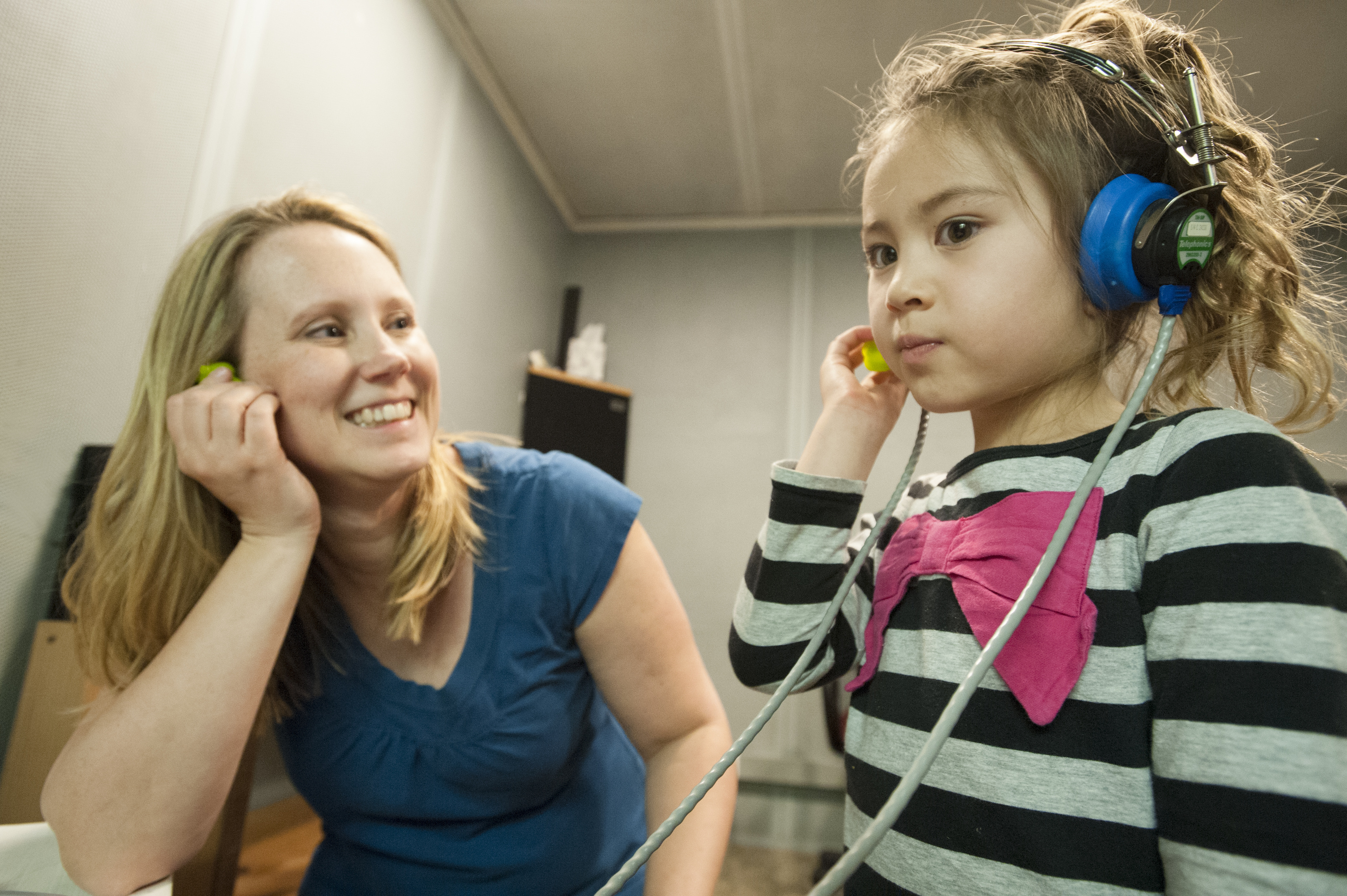
Many children who are hard of hearing (CHH) are identified and receive early intervention during infancy. Even with this early intervention, however, CHH are at risk for delays in language acquisition due to reduced auditory access. The LOLAH project is guided by the Simple View of Reading, which proposes that reading comprehension is the product of word reading and language comprehension. This proposal is also based on the Cumulative Auditory Experience model, which predicts that inconsistent auditory access in early childhood leads to reduced opportunities for language learning. Specifically, this proposal tests the hypothesis that auditory access (calculated with amount of aided audibility and amount of hearing aid use) predicts reading comprehension growth rates in CHH, and this relationship is mediated by oral language. This project will remedy some of the limitations of past research by leveraging our access to a large, well-characterized group of adolescents who are hard of hearing (AHH) and age-matched adolescents with normal hearing (ANH) who have been followed from preschool to 4th grade. We plan to test this group out to 12th grade. Our access to this group will allow us to conduct a rigorous longitudinal investigation of developmental trajectories in word-level decoding and text-level reading comprehension, as well as the underlying processes that drive these trajectories. We will also examine differences in sources of reading difficulty for AHH.
2) FASTRAK (NIH/NIDCD R01 DC018330; PI: Ryan McCreery)
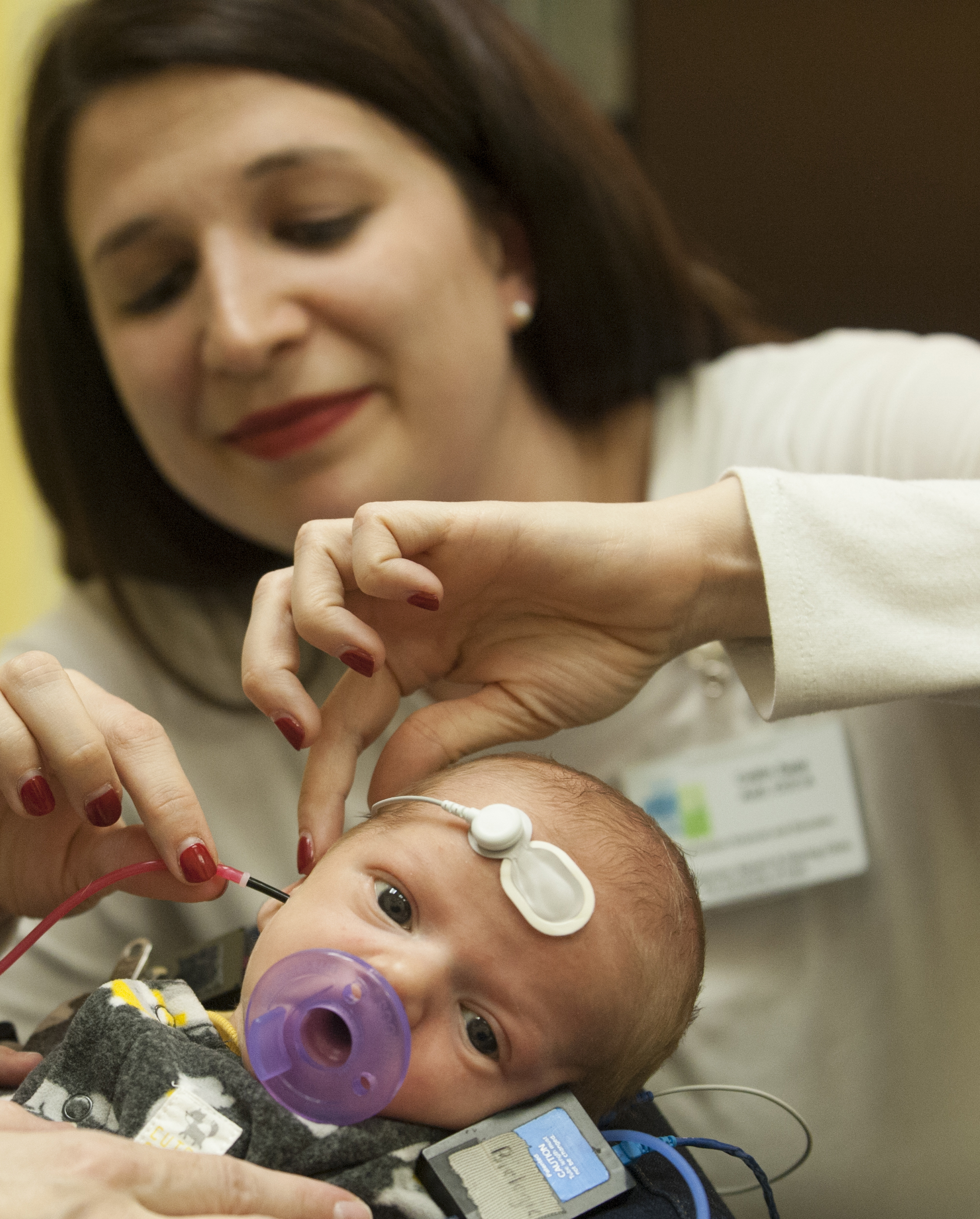
Children with mild bilateral hearing loss (MBHL) continue to experience significant delays due to uncertainty about the benefits of hearing aids for this population. The lack of clinical protocols and tools that are sensitive to the listening needs of children with MBHL contribute to this uncertainty. The goal of this NIH-funded grant is to develop novel clinical protocols and tools that are sensitive to the challenges faced by children with MBHL. In collaboration with leading pediatric audiology centers around the U.S. (Boys Town National Research Hospital, Arkansas Children's Hospital, Boston Children's Hospital, Washington University), the novel assessment and speech recognition measures will be used to validate these measures with a large clinical population of children with MBHL. The knowledge generated from this research will fundamentally improve the diagnosis and management of MBHL during childhood.